
The Indian government has announced a new Merchant Discount Rate (MDR) framework for UPI payments. It takes effect on October 15, 2026. Under the new rule, select merchant UPI transactions above ₹2,000 will attract a 0.4% charge.
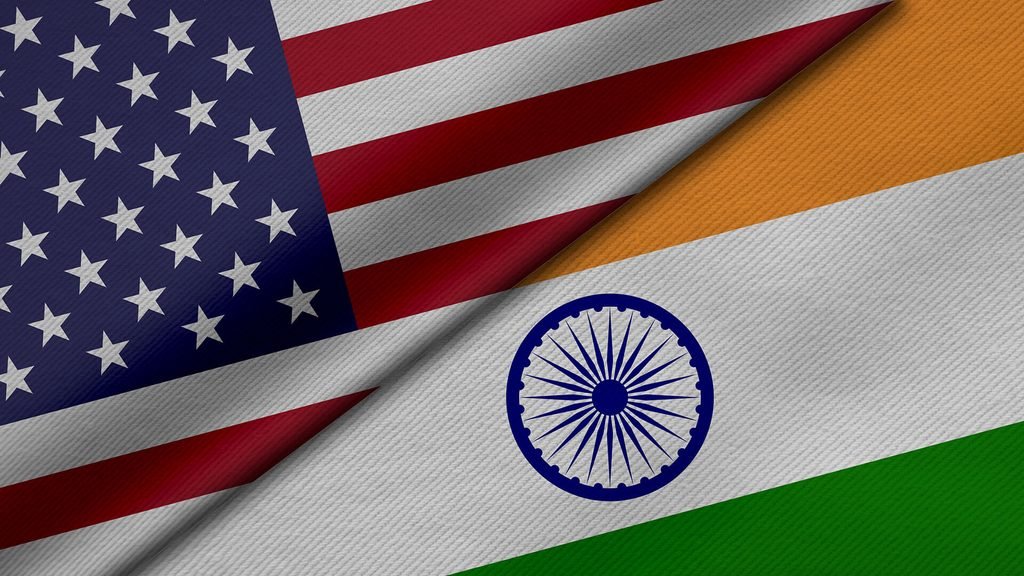
But one question is driving the debate: was this decision taken under US pressure?
That question has turned into a political storm. The opposition says the government has “surrendered” before the United States. The government has rejected this outright.
Here is a look at both sides, and what the data actually shows.
Rahul Gandhi’s Allegation: “UPI Tax” and US Pressure
Leader of Opposition Rahul Gandhi attacked the government sharply. In a video posted on X, he accused Prime Minister Narendra Modi of “prostrating” before US President Donald Trump.
His claims were direct:
- The government has taxed UPI, and every Indian will feel the burden
- This money is going to the United States
- PM Modi has chosen to “lie down straight” before Trump
He also invoked former PM Indira Gandhi. She stood firm, he said, neither left nor right. Modi, he argued, has taken a different path.
Congress general secretary Jairam Ramesh raised a separate point about timing. On August 6, the Finance Minister said no decision had been made on MDR. By September 14, a notification was already out. He called this out sharply: “Decision Making in Modi Govt — First Announce, Subsequently Think.”
Ramesh added one more number. The UPI ecosystem’s estimated annual cost is about ₹20,000 crore. That is less than 10% of what the RBI transfers to the government each year.
Government’s Firm Denial
The Finance Ministry rejected the charge in strong terms.
The Department of Financial Services (DFS) put out a statement:
“All decisions related to India’s UPI policy are taken independently. The aim is to build an economically self-reliant, inclusive, and affordable digital payment system.”
Government sources went further. There is no plan to reconsider the decision. A senior official said:
“There is no question of reversing it. The purpose of MDR is to make UPI self-sustaining.”
How Strong Is the US Pressure Argument?
The US Trade Representative’s 2026 report did raise two real issues:
- US electronic payment providers cannot operate inside India’s UPI system
- NPCI’s 30% market share cap puts American companies at a disadvantage
But there is a gap in the logic here. MDR on UPI does not directly help Visa or Mastercard in any way.
Here is why. UPI transactions never pass through Visa or Mastercard networks in the first place. MDR revenue stays within India, split among Indian banks and payment service providers.
The government has also clarified something important. NPCI’s new circular does nothing to address US concerns. Credit transactions on UPI still cannot run through any card network besides RuPay. The 30% market cap stays exactly where it was.
The Real Reason: The Subsidy Math Has Broken Down
Strip away the political noise, and one economic fact stands out. UPI’s zero-MDR model no longer works financially.
| Item | Amount |
|---|---|
| Government’s UPI incentive budget (FY27) | ₹2,000 crore |
| Industry’s estimated operational cost | ₹20,700 crore |
| Subsidy coverage | Only ~11% |
(Source: Standing Committee on Finance, Parliament of India)
The Standing Committee on Finance flagged this risk directly: “Inadequate funding could affect investment in cybersecurity, fraud prevention, and network infrastructure.”
The committee’s conclusion was blunt. UPI needs a real, working revenue model, and building one is critical.
The Old Finance Ministry Tweet and the ‘Expiry Date’
An old tweet added fuel to the fire when it resurfaced.
Back in June 2025, the ministry had called MDR-on-UPI reports “completely false, baseless, and misleading.” Now that same ministry is rolling out the very charge it once denied. On social media, people are joking that even government assurances come with an expiry date.
Public and Merchant Anger
Nitin Gupta, president of Delhi’s Kamla Nagar Market Association, put it plainly: “Traders facing the new charge will simply promote cash.”
That warning matters. It could reverse years of progress on digital payments.
The government insists MDR will not hit customers directly. But if merchants pass the cost on through higher prices, customers will feel it anyway, just indirectly.
The Tax Burden: A Bigger Question
This controversy has opened up a bigger question. How much tax does the average Indian already carry?
| Country | Population Paying Income Tax | Tax-to-GDP Ratio |
|---|---|---|
| India | ~2% | 19.6% |
| USA | 44% | 25.6% |
| UK | 50%+ | 38% |
(Source: Financial Express, ET BFSI)
India leans heavily on indirect taxes for revenue. Even a ₹5 biscuit carries 18% GST. That structure hits the poor and the middle class hardest.
Conclusion: What Is the Truth?
Three things stand out clearly from this whole controversy.
The US pressure claim does not hold up. The government has denied it, and the logic backs that denial. UPI MDR brings no direct benefit to American card companies.
The real driver is economic. A ₹2,000 crore subsidy simply cannot cover ₹20,700 crore in costs. That gap was never sustainable.
And the public anger is genuine. People already stretched thin by taxes now face one more charge. The government promises no direct hit to customers, but the fear of an indirect one has not gone away.
So the real question is not about US pressure at all. It is this: why does the cost of making UPI sustainable keep landing on the common man and small merchants?
Frequently Asked Questions (FAQ)
Q1. What is the new UPI MDR rule? It introduces a 0.4% Merchant Discount Rate on select merchant UPI transactions above ₹2,000, starting October 15, 2026. Merchants pay this charge, not customers directly.
Q2. Did the government bring in this rule under US pressure? No, according to the government. The Finance Ministry says all UPI policy decisions are made independently.
Q3. What did Rahul Gandhi allege? He claimed the government imposed a tax on UPI under US pressure, called it a “UPI tax,” and demanded a rollback.
Q4. How strong is the US pressure argument, really? Weak. MDR revenue goes to Indian banks and service providers, not American card companies, since UPI transactions never touch Visa or Mastercard networks.
Q5. What is the actual reason behind MDR? The zero-MDR model has stopped working financially. A ₹2,000 crore subsidy only covers about 11% of the ₹20,700 crore it costs to run UPI.