
AIMIM chief Asaduddin Owaisi recently delivered a powerful speech during a public rally. Video snippets of his address quickly gained wide attention across social media platforms. In his speech, Owaisi recalled a landmark 2013 ground report on the Muzaffarnagar and Shamli riots in Uttar Pradesh.
Owaisi expressed deep respect for the investigative reporter. He publicly saluted the female journalist who risked her safety to bring the truth to light. She defied immense pressure and reported the ground reality of the violence.
Who is this investigative reporter? Why did her 2013 report shock the political conscience of the country? Why are political leaders still referencing her work today? Let us examine the full story.
Who is the Reporter? An Introduction to Neha Dixit
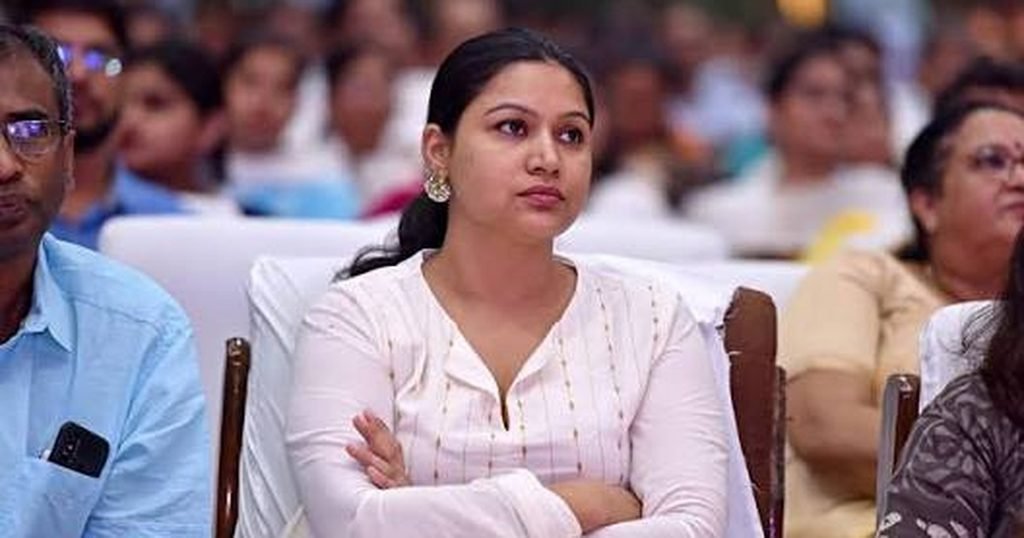
The reporter honored in Owaisi’s speech is Neha Dixit. She is an acclaimed independent investigative journalist in India.
For over a decade, Dixit has produced fearless ground reporting. She covers human rights violations, gender-based violence, crime, and politics. Her investigative work consistently holds governments and law enforcement agencies accountable. International bodies have honored her with prestigious journalism awards for her courageous work.
2013: The Dark Chapter of the Muzaffarnagar & Shamli Riots
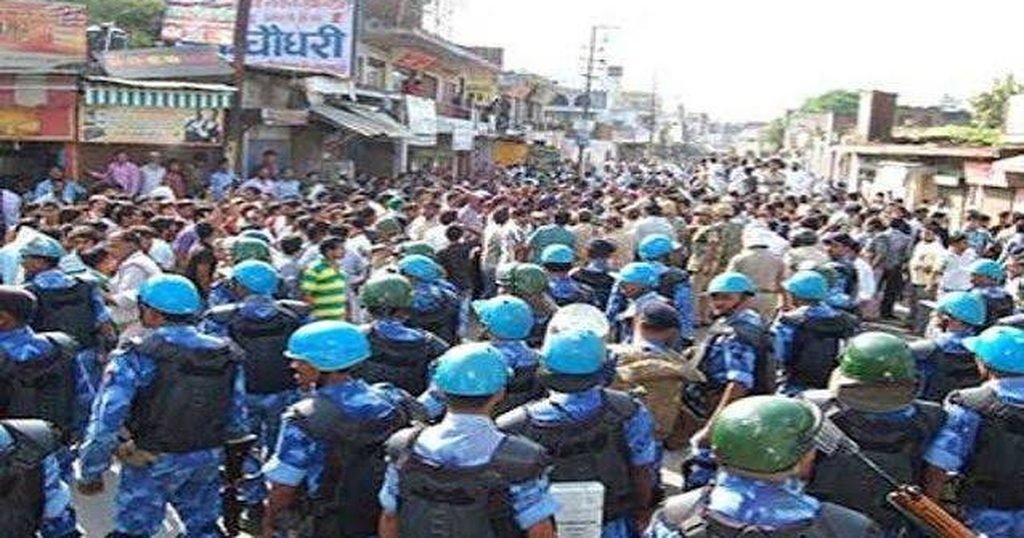
In late 2013, severe communal violence broke out in Western Uttar Pradesh. The districts of Muzaffarnagar and Shamli suffered the worst impact. Tens of thousands of people fled their homes, livestock, and lands.
Government bodies and NGOs set up makeshift relief camps across various districts. Thousands of displaced victims lived under thin polythene sheets in harsh conditions.
At that time, mainstream media focused mostly on political speeches, press briefings, and general riot updates. However, news outlets largely overlooked a critical aspect of the violence: targeted sexual violence against women during the riots.
The Report That Shook the Nation: “Thread Bared”
In December 2013, Outlook magazine published Neha Dixit’s groundbreaking investigation titled “Thread Bared”. She later followed it up with a second article titled “Shadow Lines”. Her reporting exposed facts that shocked the political spectrum and civil society.
Key Highlights of the Report:
- Real Accounts from Relief Camps: Neha Dixit did not rely on official press statements. Instead, she spent days inside relief camps in Shamli, Muzaffarnagar, and Loni. She interviewed survivors directly and recorded their firsthand accounts.
- Exposing Systemic Sexual Violence: Her report was among the first to document systematic sexual attacks on women during the riots. It detailed multiple accounts of rape and gang rape that missing from initial police records.
- Legal and Procedural Obstacles: The report highlighted the immense difficulties victims faced while trying to file police complaints (FIRs). Fear, social stigma, and official apathy discouraged survivors from stepping forward. Many lacked basic medical care and legal aid.
- Harsh Living Conditions: Months after the riots, women and young children were living without proper food or sanitation in extreme cold.
Why Did Asaduddin Owaisi Praise Neha Dixit?
In his speech, Asaduddin Owaisi emphasized how difficult it is to report the truth when powerful groups attempt to suppress it. He pointed out that while large sections of the media ignored marginalized survivors, a brave independent journalist put her personal safety on the line.
According to Owaisi, Neha Dixit’s reporting led to critical developments:
- National Attention: The National Human Rights Commission (NHRC) and international groups turned their focus to the sexual violence endured by victims.
- Legal Action and FIRs: The investigation gave human rights lawyers and NGOs a strong foundation to assist survivors. This effort led to formal FIR registrations and court proceedings.
- Government Accountability: The report pressured government authorities to improve conditions in relief camps and start rehabilitation efforts.
Because of her uncompromising bravery, Owaisi publicly saluted her. He added that India needs more fearless, independent reporting.
The Importance of Independent Journalism
Media organizations face frequent criticism today for bias and sensationalism. In this environment, Neha Dixit’s 2013 investigation shows why Independent Journalism remains essential.
An independent reporter does not work for political parties or agendas. Instead, their duty is to amplify unheard voices and question authority. Despite facing threats and harassment over the years, reporters like Dixit prove that ground-level truth-seeking is irreplaceable.
Conclusion
The true purpose of journalism is to question authority and protect vulnerable voices. Neha Dixit’s 2013 report on the Muzaffarnagar riots proves how courageous field reporting can force a national reckoning.
Asaduddin Owaisi recalling this report years later shows an important truth: fearless journalism in defense of truth is never forgotten.